Contact
Cherokee Brick Blog
The Secret to Beautiful Curb Appeal Isn't What You Think
by Anna Dunstan
Posted on August 27, 2026 7:25 AM
When people think about improving curb appeal, they often picture fresh landscaping, colorful flowers, or a new front door. While those details certainly make a difference, they are not what creates a truly memorable home.
The real secret to beautiful curb appeal starts with something much more important: the materials that give a home it’s character.
Brick has been a trusted building material for generations, and for good reason. It creates warmth, texture, and timeless beauty that instantly makes a home feel more inviting. While decorative features can enhance a home's appearance, quality brick provides the foundation for curb appeal that lasts.
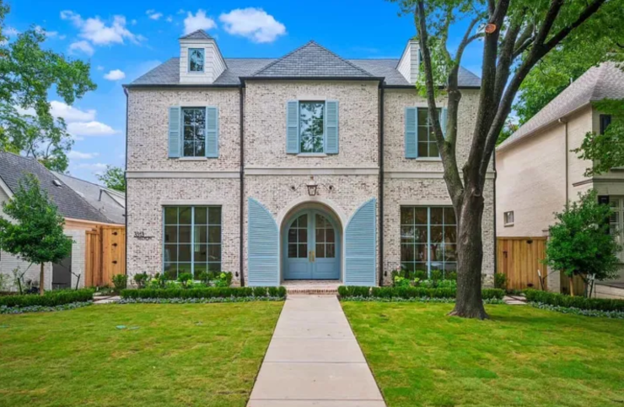
Castlebury - Mississippi Handcrafted Collection
Great curb appeal starts with timeless design
The most beautiful homes are rarely the trendiest. Instead, they feature classic design elements that continue to look elegant year after year.
Brick is one of those timeless materials. Whether your home is traditional, farmhouse inspired, or contemporary, brick complements a wide range of architectural styles while adding natural depth and character.
Unlike many exterior finishes that can quickly fall out of fashion, brick maintains its beauty for decades.
Texture creates visual interest
One of the reasons brick homes stand out is texture.
Natural variations in color, shape, and surface create visual interest that painted or flat exterior materials often cannot achieve. As sunlight changes throughout the day, brick reflects light differently, adding warmth and dimension to the home's exterior.
This subtle texture helps create curb appeal that feels authentic rather than manufactured.
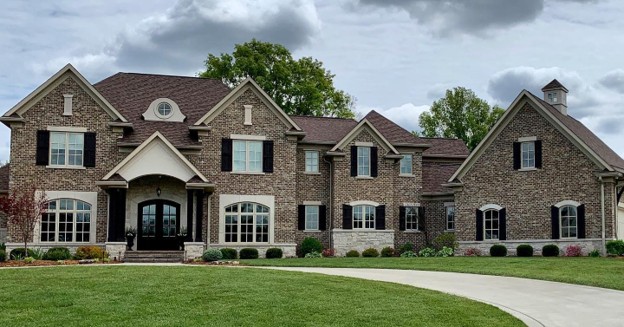
French Country Gray - Georgia Handcrafted Collection
Small details make a big difference
While brick provides the foundation, thoughtful design details help complete the look.
Simple additions can elevate the overall appearance of a home, including:
brick walkways
front porch steps
entry columns
garden borders
mailbox surrounds
low retaining walls
These features create a cohesive design that guides visitors to the front door while enhancing the home's overall appearance.
Choose a color that complements your home
The right brick color can dramatically influence the style of your home.
Warm red brick creates a traditional look filled with character. Lighter brick tones offer a softer, more contemporary appearance, while tumbled brick adds texture and an aged, handcrafted feel.
Choosing a brick that complements your home's architecture helps create a balanced exterior that will continue to look beautiful for years to come.
Landscaping should complement, not compete
Beautiful landscaping certainly enhances curb appeal, but it should work with your home's exterior rather than distract from it.
Trees, shrubs, flowers, and lighting all help frame the home, allowing quality brickwork to remain the focal point. A simple, well maintained landscape often has a greater impact than one filled with too many competing elements.
When the hardscaping and landscaping work together, the entire property feels more welcoming.
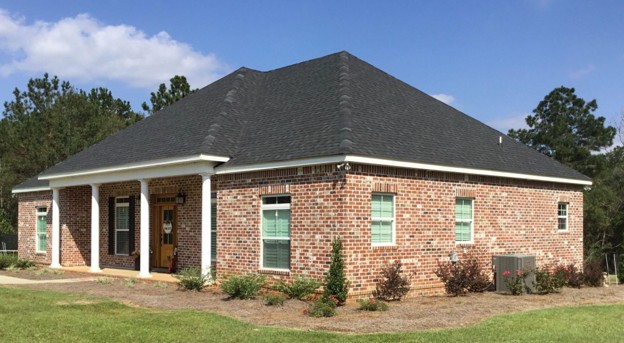
Kennesaw - Georgia Classic Collection
Invest in beauty that lasts
Paint colors, outdoor furniture, and seasonal decorations may change over time, but quality brick remains one of the most valuable investments you can make in your home's exterior.
Its durability, low maintenance, and timeless appeal mean it continues to enhance curb appeal year after year, regardless of changing design trends.
The foundation of lasting curb appeal
True curb appeal is about more than first impressions. It is about creating a home that feels welcoming, reflects your personal style, and stands the test of time.
While flowers bloom for a season and paint colors eventually fade, quality brick continues to add warmth, beauty, and character for generations.
If you are looking to create curb appeal that never goes out of style, the secret is simpler than you might think. It starts with choosing materials that are built to last, and brick has been doing exactly that for centuries.